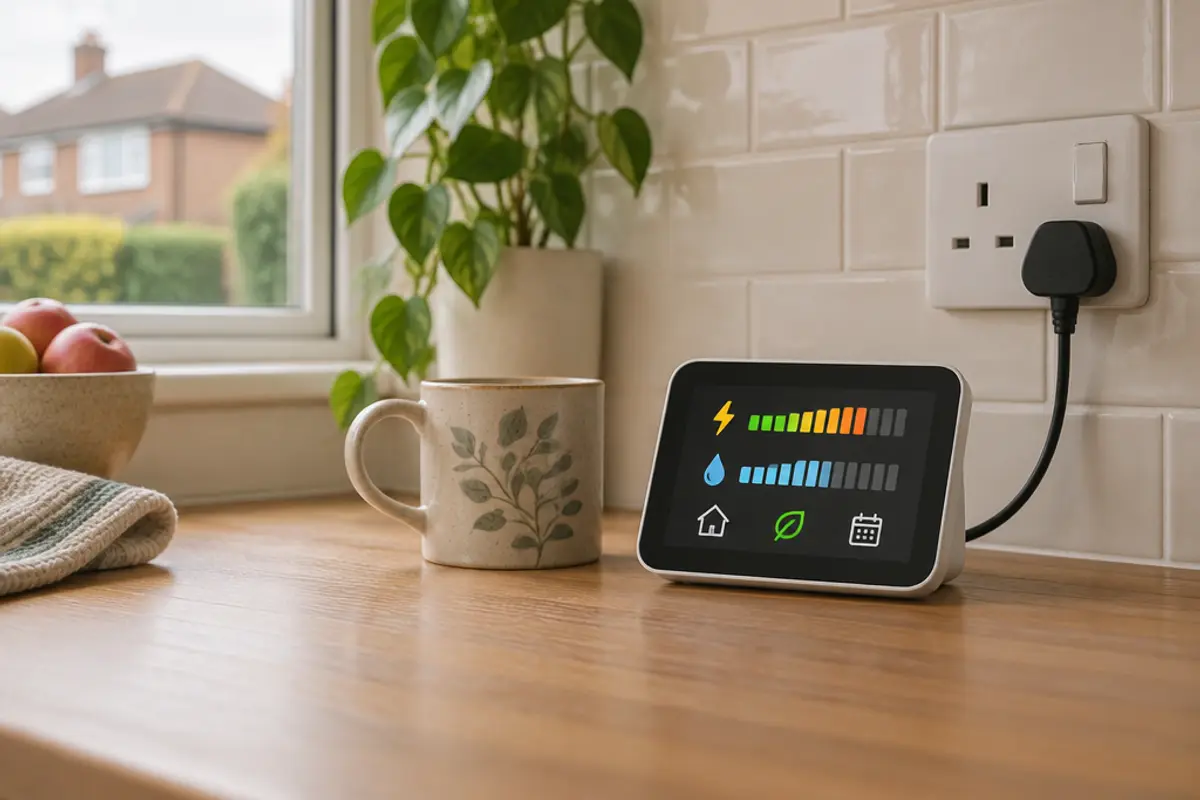
How to use the energy bill calculator
- Type Electricity used per year in kWh. You'll find it on your bill, your annual statement or your supplier's app. A typical home uses about 2,500 kWh.
- If you have mains gas, leave I have a gas supply ticked and type Gas used per year. A typical home uses about 9,500 kWh. Untick it if your home is all-electric or uses oil or LPG.
- Read the Yearly bill, Monthly bill and Daily cost, and the Electricity and Gas split.
- Look at Usage charges and Standing charges to see how much you pay even if you use nothing, and compare with the Ofgem typical household bill.
- Check the dates of the price cap in the notes under the result, then tap Share link to send the result.
Why use this calculator
It uses the Ofgem price cap figures, and it shows the unit rates and standing charges it uses. You can see the sums, so you can check them against your own bill.
It splits usage from standing charges. The standing charge is a daily fee you pay whatever you use, and it's a bigger part of the bill than many people expect.
It shows the dates. The cap changes every three months, and the page tells you which period the rates are for, so you know if they are still current.
It is simple. Two numbers in, one bill out. There is no tariff comparison trying to sell you a switch.
How we worked it out
Your numbers, step by step. This updates as you change the calculator.
- Electricity usage: 2,500 kWh × 26.32p per kWh = £658.00
- Electricity standing charge: 54.83p a day × 365 days = £200.13
- Gas usage: 9,500 kWh × 7.97p per kWh = £757.15
- Gas standing charge: 29.68p a day × 365 days = £108.33
- Yearly bill = £658.00 + £200.13 + £757.15 + £108.33 = £1,723.61
- Monthly bill = £1,723.61 ÷ 12 = £143.63
- Daily cost = £1,723.61 ÷ 365 days = £4.72
The formula
For each fuel, the bill is the energy you use plus a daily fee for being connected.
- Usage cost = kWh used × unit rate (pence per kWh) ÷ 100.
- Standing charge = daily standing charge (pence) × 365 days ÷ 100.
- Fuel bill = usage cost + standing charge.
- Yearly bill = electricity bill + gas bill (if you have gas).
- Monthly bill = yearly bill ÷ 12, and daily cost = yearly bill ÷ 365.
For example, a home using 2,500 kWh of electricity and 9,500 kWh of gas pays £858.13 for electricity (£658.00 usage and £200.13 standing charge) and £865.48 for gas (£757.15 and £108.33). That is £1,723.61 a year, and about £308 of it is standing charges.
The price cap, and why we show dates
Ofgem sets a price cap on the unit rates and standing charges that suppliers can charge on standard variable tariffs in Great Britain. The cap changes every three months, in January, April, July and October. That’s why the results show the dates the rates are for, and why the figures below need checking again after the period ends.
What we assume
These are the rates for 1 October to 31 December 2026, from Ofgem, as a Great Britain average for Direct Debit.
| Unit rate | Standing charge | |
|---|---|---|
| Electricity | 26.32p per kWh | 54.83p a day |
| Gas | 7.97p per kWh | 29.68p a day |
- Last quarter (1 July to 30 September 2026): electricity was 26.11p per kWh and 57.19p a day, and gas 7.33p per kWh and 29.04p a day.
- VAT: there’s no VAT on electricity from 1 October 2026 to 31 March 2027. The gas rates include 5% VAT.
- Typical use: 2,500 kWh of electricity and 9,500 kWh of gas a year, the usual Ofgem household for the cap.
- Regions and payment method: rates vary by region, and prepayment and other payment methods cost a little differently. MoneySavingExpert puts the typical bill for the same period at £1,678 on prepayment and £1,861 on other payment methods. We use the Direct Debit average.
- Your tariff: a fixed or special tariff has its own rates. This calculator uses the cap, so it is a benchmark.
Tips
- Use a full year of kWh from your bill or app if you can. A single winter month will give a bill that is too high.
- Your own tariff may differ. A fixed or special tariff has its own rates, and the cap varies a little by region and by how you pay. Use the result as a benchmark, not a quote.
- Remember the standing charge. It's charged every day, so a home that uses very little energy still pays it.
- To work out what a heater or appliance costs to run, multiply its kW by the hours and by the unit rate. The solar panel calculator shows how much of your electricity panels could make.
- Thinking of cutting your bill with insulation or a new boiler? Compare the costs and savings with the energy upgrade payback tool and the new boiler cost calculator.
 Energy upgrade payback
 Solar panel calculator
 New boiler cost calculator
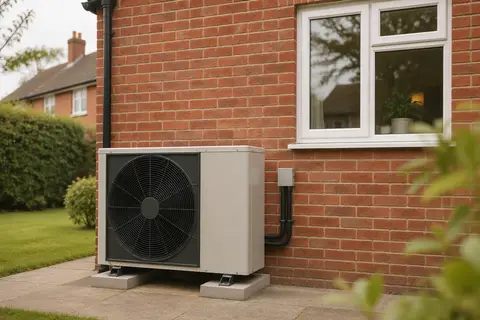 Heat pump cost calculator
 Insulation calculator
 BTU calculator